Been working on a few projects over the holiday season! And also been given a little time to think about is there something that I can give my followers as a thank you for all their kind support.
So I come up with a few ideas one of which has gone live on my ko-fi page..
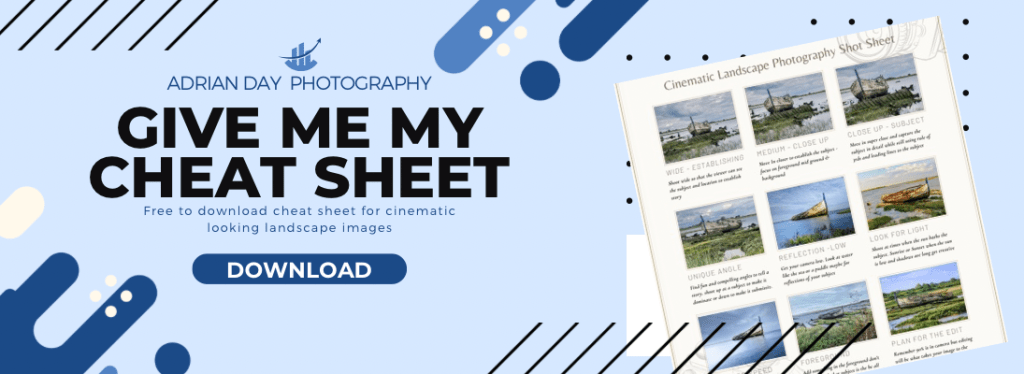
I have created a kind of cinematic landscape photography cheat sheet. It’s free or if you like to it give the option of leaving a donation of you choosing. But it is free if you want it for free. You just have to leave a few details and click download. Details are just so that I know people are downloading. You won’t be pestered by 101 emails from me.
The sheet is printable please don’t print to give away just send anyone you think would be interested this page link and tell them to download it.
It helps me know I’m helping others and also lets me know if I doing something right 😉
So without further ado! Here is the link!
Click this image to be taken to our ko-fi download page.
We have a new video live over on our YouTube channel.
If you’re into American cars and show cars as well as photography this short video is worth a little watch.
This video has a few of the cars at attended the car show the video is the pre drive through the local town and there are some great images at the end of the video. so please stick around till the end.
if you have time please like share and even subscribe! Would love to have your support.
Click the image to head over to see the latest video!
Hey guys and girls short post tonight asking for your support and kindness over on my new tiktok page!
Would really appreciate it if you have tiktok that you pop over and show some support. By watching sharing liking my new video.. linked below (click the image)
This is only going to be a short post ! So a quick read 😉
We have a new YouTube channel that we are starting to help photographers. Be that phonetographers 😉 or DSLR /mirrorless photographers.
It’s just starting out and only the introduction video and a few editing videos up and shared so far as been testing out how it works ! New to posting video content. But would really appreciate if anyone who reads this new post could take a second to go take a look and if it’s something you want to follow please do would love to have you along for the journey !
The first real video should be going live this week! And will be about angles .. with a few shorts about simple things like iso aperture and shutter speed being posted just to show case what the basic function is those will come out over the next month.
So if you have a moment please hit the link below (picture) to head over to my new channel .. share the love and hopefully we can catch up and get creative together !
The photography community got hit pretty hard when the uk was his with the coronavirus.
When people couldn’t come together, it made being a photographer pretty void. We couldn’t do wedding, birthday parties, family or single person portraits and couldn’t keep doing our main income of corporate headshots.
So a number of amazing photographers had to diversify into other forms of photography. To keep their business afloat.
Me being one!
It’s not a hard transition if I’m completely honest! As long as you know your gear and understand the basics of composition then a lot of it falls into place pretty fast.
I think I was very lucky to have a good array of different lenses, That would suit both portrait and landscape photography. As I own zoom and prime lenses with every focal length from 10mm to 900mm so i feel I was in a good place to take the plunge with landscape photography.
So I headed out on what was to be a fun journey of landscape exploration and documentation.
Along the way it’s taken some side steps not only have I found amazing places to photograph but also beautiful seascapes, shipwrecks even cityscapes.
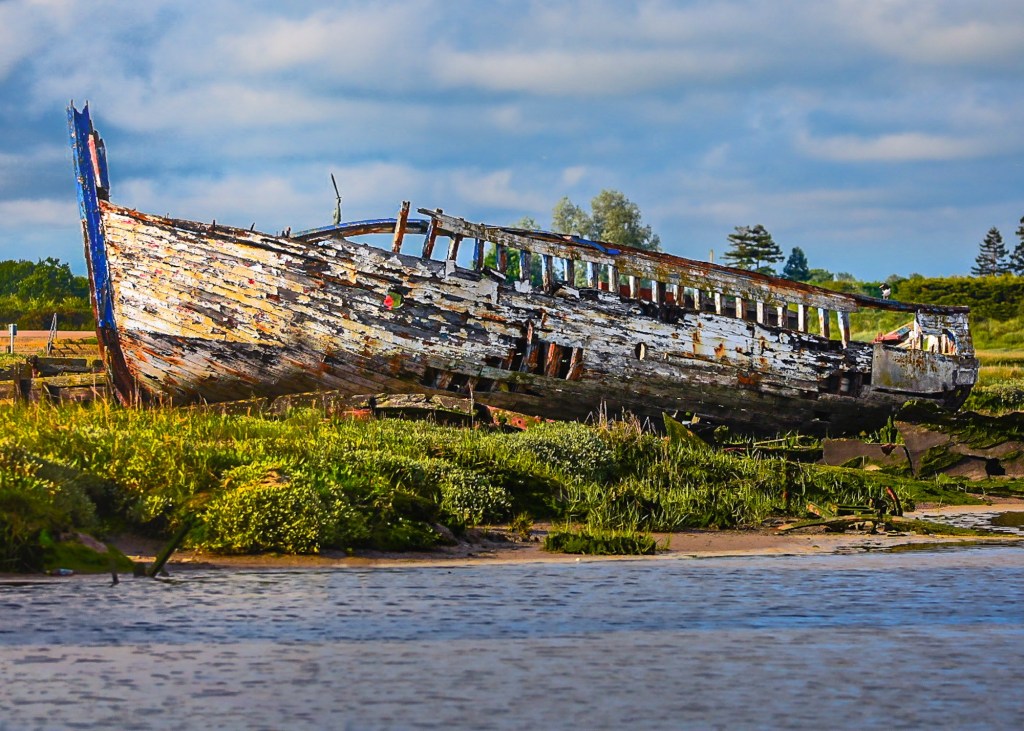
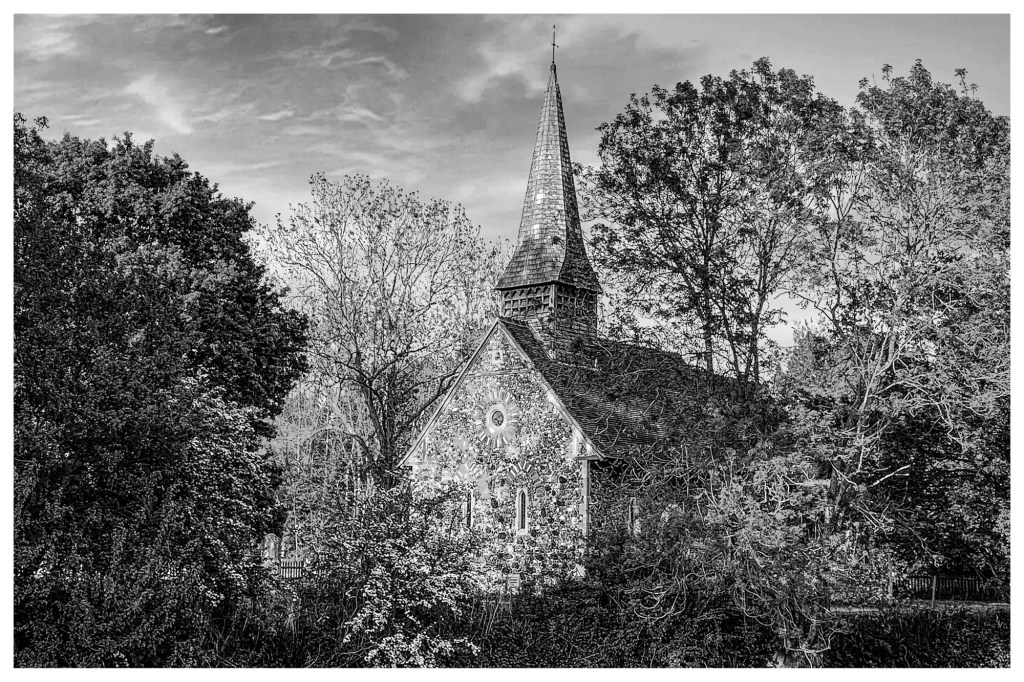
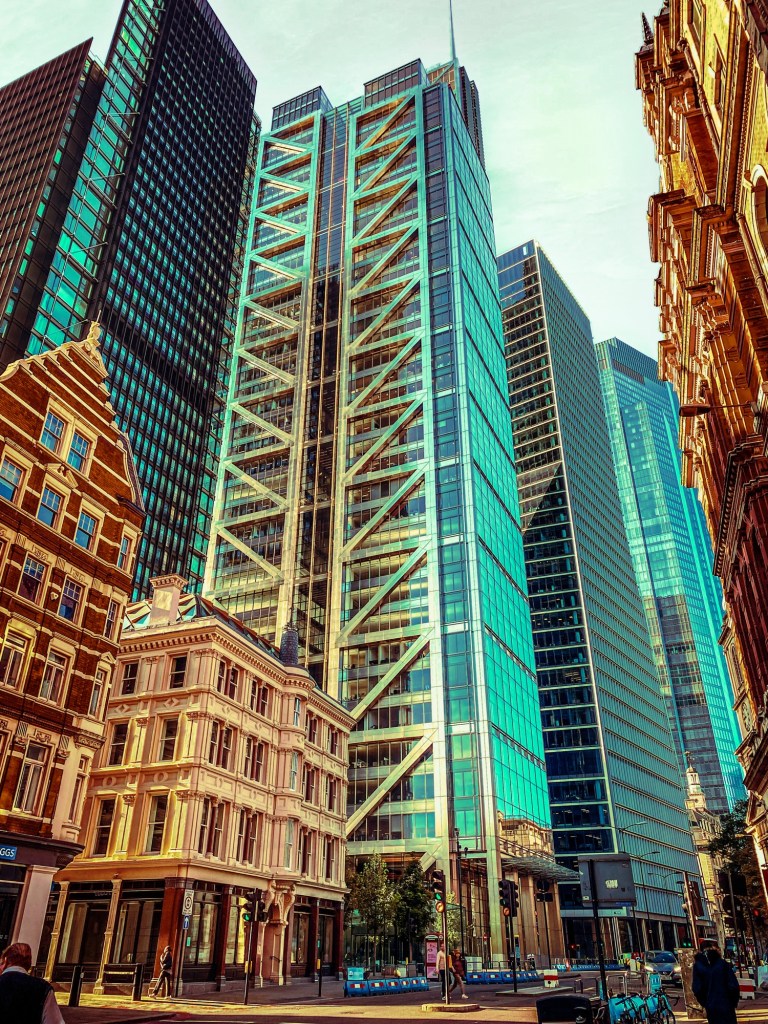
Karma shipwreck Local ChurchesThe City of London
Autumn vista Delph Ditch Maldon
In the last two years I’ve seen and captured some amazing images. From sunsets to blue moons, old barges and rundown buildings that are part of our history but will never be re built. But tell stories of years gone by.
I’ve seen my images in local news papers, in magazines, printed on show stands at photography shows for companies like fujifilm. Even been part of a gallery exhibition.
All these things I couldn’t have dreamt of being a part of without becoming a landscape photographer.
Over the next few months I will adding new images and sharing more of what I’m doing on here so I hope to get your support and feedback
So Two years on and I now have a passion for landscape and where it can take me. And now I’m branching out. So that many more people can be part of my journey. I’m opening a small online store so that people can purchase my images as digital downloads and also printed photography products. At a low price.
And at the same time support me on my journey if you wish to know more /make a purchase click the button below it will take you there
Buy with confidence securely 24/7
What you can expect to find over the coming weeks
High resolution image downloads
Calendars (current year 2024)
Christmas cards
Birthday cards
Wall art
Keyrings
All this & More will be added over coming weeks.
You can also support us by donation on the same app. This is done with either purchasing a product and adding more to the price or simply using the donation button and donating what you can afford.
Please if you have gotten this far please click follow to see updates as we will be posting new product listings as we add them to our shop. And also you can see some of our new amazing images first.
Photography is an art form that has evolved over time with the advancement of technology. One of the essential aspects of photography is ISO, which determines the sensitivity of the camera’s sensor to light. ISO stands for International Organization for Standardization, which sets the standard for sensitivity ratings in photography.
In this short post we will discuss what ISO is and how it works and categorize it into three categories: basic, in-depth, and advanced understanding.
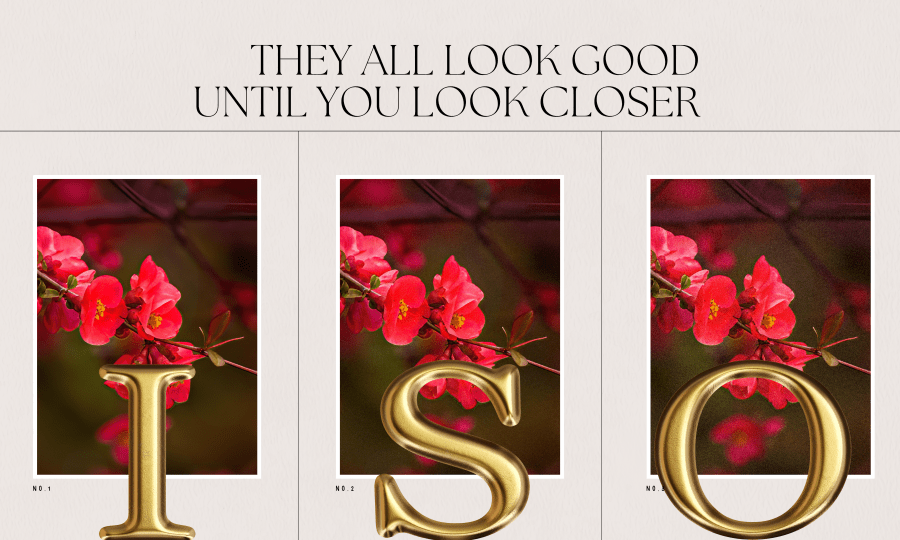
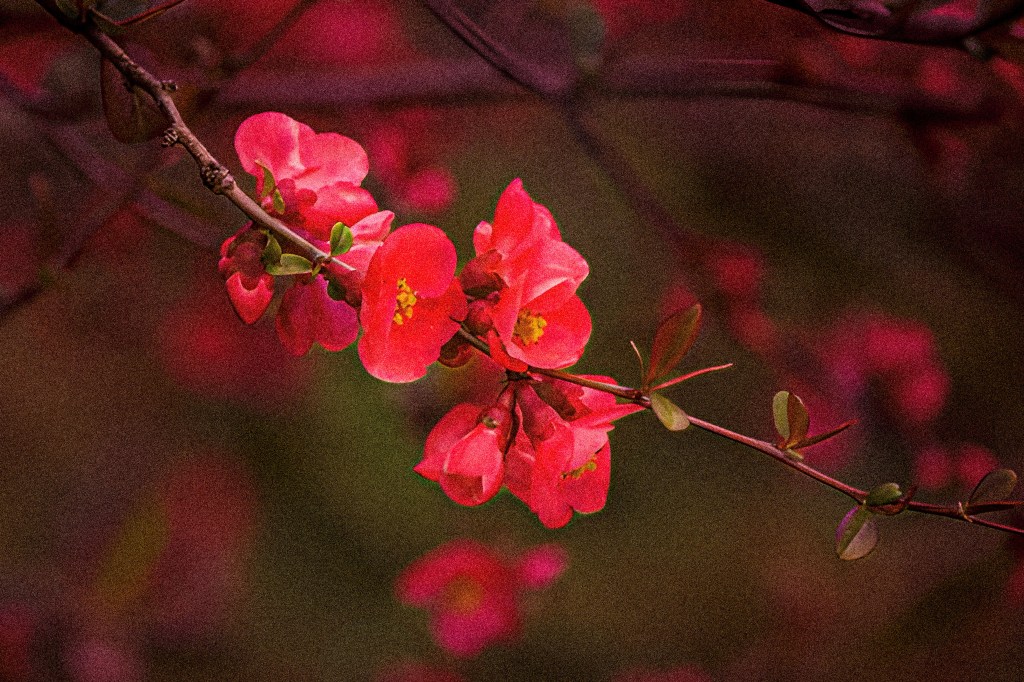
Firstly three images .. starting from 100 in picture one 3200 in picture 2 and 6400 in picture three. to see the way images have less detail and also more noise the higher the ISO
Image 1 shot at ISO 100 – Nikon 7200Image 2 shot at ISO 3200 – Nikon 7200Image 3 shot at ISO 6400 Nikon 7200
Basic understanding of ISO:
ISO is a measure of the camera’s sensitivity to light. The lower the ISO number, the less sensitive the camera is to light, and the higher the number, the more sensitive it is. In simple terms, ISO determines how bright or dark an image will appear. For instance, a low ISO number of 100 will produce a darker image, while a higher ISO number of 800 will produce a brighter image.
In-depth understanding of ISO:
ISO is one of the three essential elements of exposure, along with aperture and shutter speed. Aperture refers to the size of the opening in the lens that allows light to enter, while shutter speed is the duration of time the shutter remains open. ISO plays a vital role in exposure because it allows the photographer to adjust the camera’s sensitivity to light to achieve the desired exposure.
A low ISO setting is ideal for shooting in bright conditions, such as outdoors on a sunny day. On the other hand, a high ISO setting is suitable for shooting in low light conditions, such as indoors or at night. However, a high ISO setting can introduce digital noise or graininess to an image, which can result in a loss of detail and clarity. It’s essential to strike a balance between the ISO setting, aperture, and shutter speed to achieve the best exposure and image quality.
Advanced understanding of ISO:
In addition to its role in exposure, ISO can also affect the overall mood and style of an image. A low ISO setting can produce a sharper and cleaner image with less noise, while a high ISO setting can create a grainy or gritty look, which can be desirable in certain types of photography, such as street or documentary photography.
Another advanced technique is ISO bracketing, which involves taking multiple shots of the same scene with different ISO settings. This technique is useful for capturing images in unpredictable lighting conditions, such as during a sunset or sunrise, where the light changes quickly. By taking multiple shots at different ISO settings, the photographer can choose the best exposure and eliminate any unwanted noise or graininess.
In conclusion, ISO is an essential aspect of photography that determines the camera’s sensitivity to light. It plays a vital role in exposure, image quality, and overall style and mood of an image. Understanding the basic, in-depth, and advanced aspects of ISO can help photographers make informed decisions when setting up their camera and capturing their vision.
This is part of basic learning with photography. There are more technical details to iso but I don’t want these posts to resemble a ikea instruction manual lol! And more make it a simple understandable read.
Low light photography can be a challenging but rewarding experience. It requires a combination of technical knowledge and creative thinking to capture beautiful and unique images in dimly lit environments. In this essay, we will explore some tips and techniques for getting the best results from your camera in low light situations, and how to avoid common pitfalls that lead to blurry
images.
The first step in low light photography is to understand the limitations of your camera. Most cameras perform best in bright light, and as the light level decreases, the camera’s ability to capture sharp and detailed images also decreases. This is because the camera’s sensor needs a certain amount of light to function properly, and in low light situations, the sensor may not be able to gather enough light to produce a clear image.
To compensate for this, you will need to use a longer shutter speed, which allows more light to reach the sensor. However, using a longer shutter speed also increases the risk of camera shake, which can result in blurry images. To avoid this, you will need to use a tripod or some other form of support to keep your camera steady. Additionally, you can use the self-timer function on your camera to avoid camera shake caused by pressing the shutter button.
Another way to increase the amount of light reaching the sensor is to use a wider aperture. Aperture is the opening in the lens that controls how much light reaches the sensor. By using a wider aperture, more light can enter the camera and reach the sensor. However, this also affects the depth of field, which is the area of the image that is in focus. A wider aperture will result in a shallower depth of field, which can be useful for creating a sense of depth and separation in your images.
Another important aspect of low light photography is ISO. ISO is a measure of the camera’s sensitivity to light. The lower the ISO, the less sensitive the camera is to light and the less noise in the image. However, in low light situations, you may need to use a higher ISO to get a well-exposed image. But, as you increase the ISO, you will also increase the amount of noise in the image, which can be unsightly. So, it’s a balance between having a well-exposed image and having noise in the image.
In addition to adjusting these technical settings, you can also use creative techniques to enhance your low light images. For example, you can use a flashlight or other light source to illuminate specific areas of the image. You can also use long exposures to capture the movement of light in the scene. This can create interesting and dynamic images that are not possible in bright light.
In conclusion, low light photography can be a challenging but rewarding experience. It requires a combination of technical knowledge and creative thinking to capture beautiful and unique images in dimly lit environments. By understanding the limitations of your camera, using a tripod or other form of support, adjusting the aperture, ISO and shutter speed, and using creative techniques, you can get the best results from your camera in low light situations and avoid the common pitfalls that lead to blurry images.
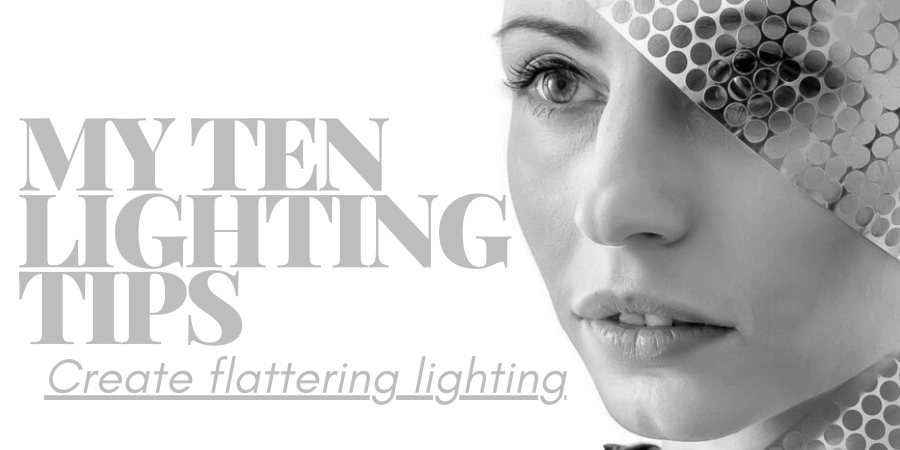
This is My Ten simple tips to create beautiful lighting that flatters for professional photos or perfect selfies
1: Use natural light whenever possible. Natural light is often the most flattering and easiest to work with. Putting your subject in the right place at the right time of day with natural light can be the softest lighting to work with, and most effective.
All natural overcast day light
2: Experiment with different times of day. The quality of light can change significantly depending on the time of day, so try shooting at different times to see what works best for you or your subject.
3: Use reflectors or a white card to bounce light back onto the subject. This can help fill in shadows and add dimension to the subject. Bring out a glow to the eyes and under the chin to make an image more appealing to the eye.
4: Experiment with different light sources. In addition to natural light, you can also use artificial light sources such as studio strobes or continuous lights. Even a simple ring light can be a creative tool or a small video light will add a pop to your pictures.
5: Pay attention to the direction of the light. Light that is coming from the side or from behind the subject can create a more dramatic effect, sometimes a bright light from behind will result in a more silhouetted looking image.
Natural light with a reflector to reduce shadows and add a catch light to the eyes
6: Use diffusers to soften the light. This can help reduce harsh shadows and make the light more flattering to the subject. A simple white sheet over a window will give a soft touch to any image.
7: Avoid shooting directly into the sun. This can create harsh shadows and cause lens flare and in turn make the images soft with less contrast. Though this rule isn’t always bad. It can also be creative if used in the correct environment .
Bright side light from back lighting in mid day sun
8: Use negative fill to create shadows. By placing a dark object near the subject, you can create shadows and add depth to the image. If you have a very light room from natural light through a window or a white bedroom this idea will be great, even a dark sheet/ blind or black card will reduce some light giving more depth to a subject.
9: Experiment with different apertures. Aperture controls the amount of light that enters the camera, as well as the depth of field. This can be found on all manual settings in camera or on smartphones. This is perfect to add a little creative look when using a low F number ..
10: Keep an eye on the colour temperature of the light. Different light sources can cast different color temperatures, which can affect the overall mood of the image. Use a colour checker or white balance tools to help ensure accurate colour. For instance house lighting and sunlight can produce a warm tone to an image.. where a window lit by indirect light or even a snow scene will have a cooler more white look..
Please remember that these are my personal tips, we all have our own ideas. There’s nothing wrong with using a bunch of the above methods and then in your preferred editing software creating something much more refined or dramatic.
Let me know what you try and how it works out for you.
The last months been an eye opener! Learning new tips and tricks to up my photography and editing game.
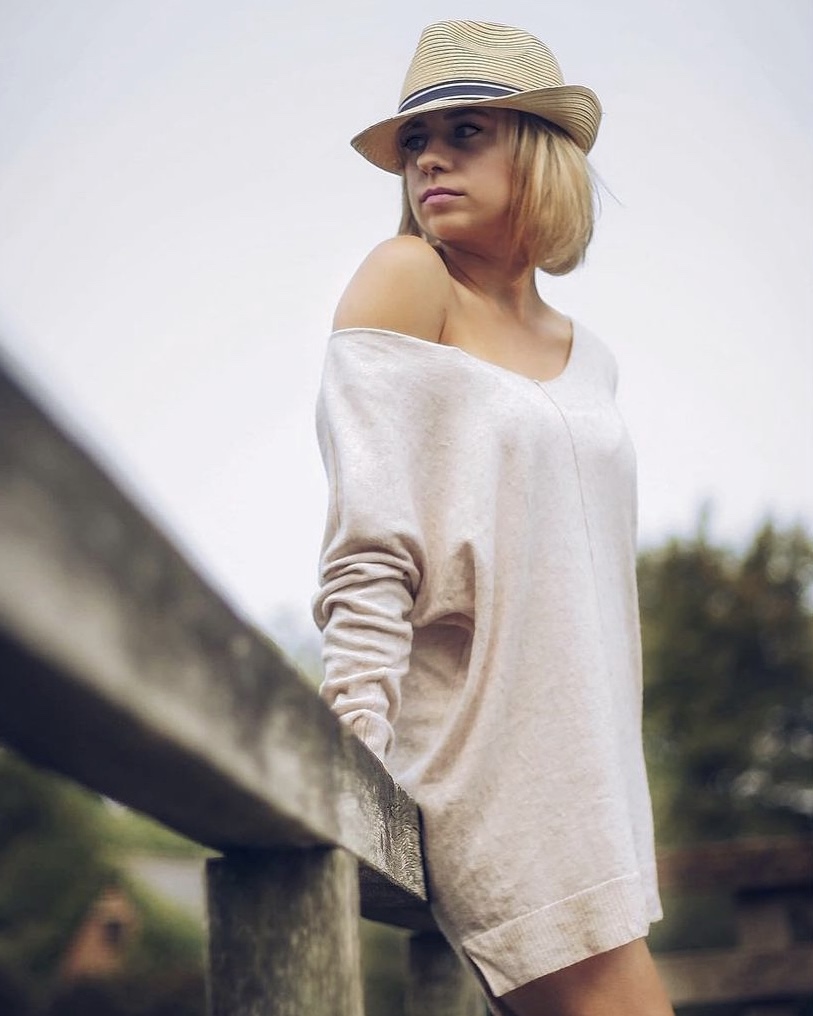
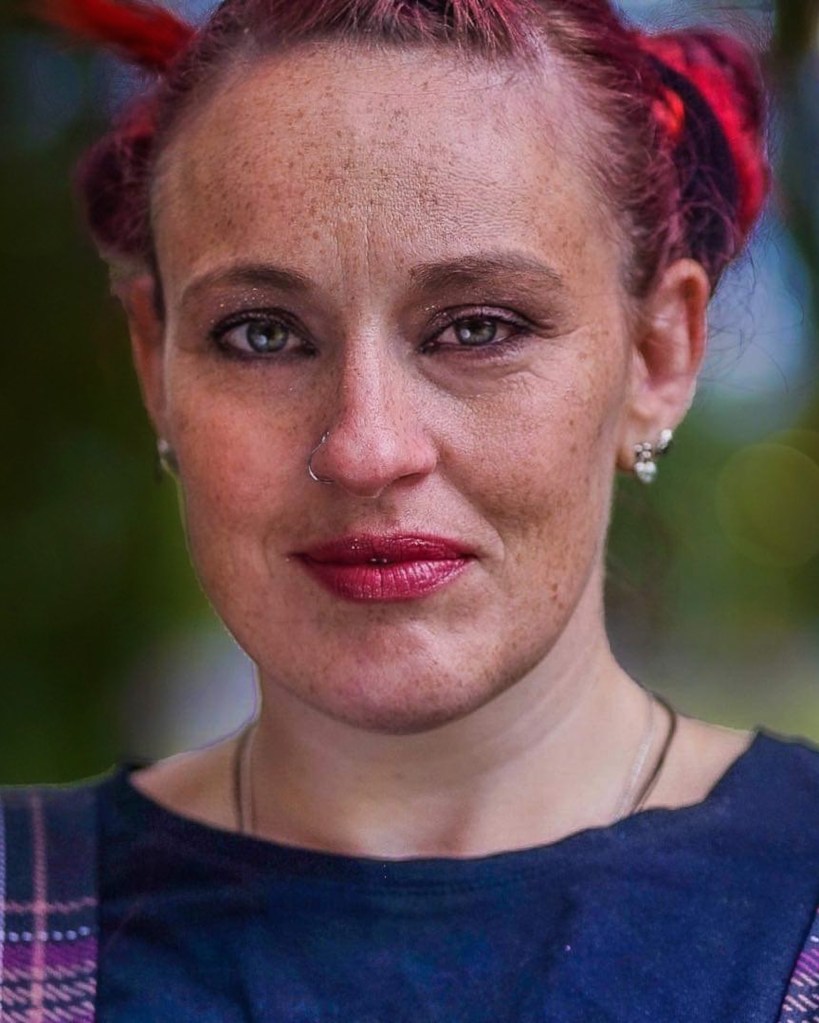
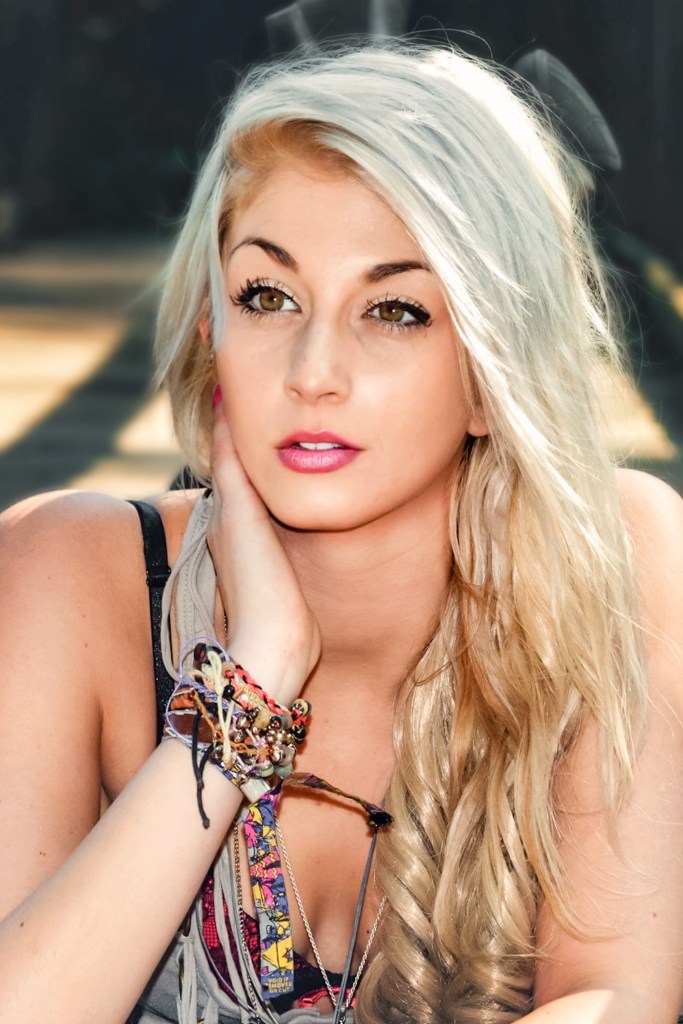
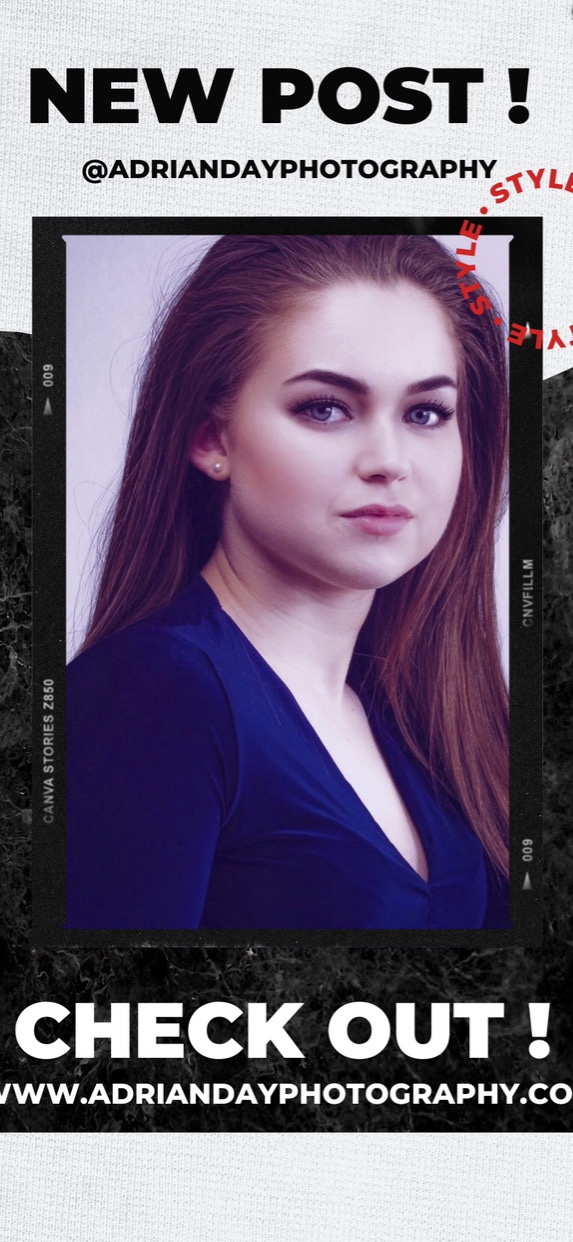
Over on my @ADRIANDAYPHOTOGRAPHY there’s been some new stunning work popping up on my grid! Really have tried to up my quality and my social media presence!
If you get a moment head on over always welcome new followers and hey you will definitely gain a new follower if you follow me !
Below is some of the images coming over the next few days and also a few that have already been posted.
Image of client and friend Amber
Client and friend Jade
Model and client Vineta
Beautiful client and friend Hazel
Stunning friend and client Alice
Let us know what you think below! we would love to hear back from our followers



















 Adrian Day Photography