With Summer bring’s life and colour to photography! But sometimes you have to look for something smaller

The last few weeks I’ve been limited to the distance I can go due to health, so creating landscape photography content has been a little challenging and sparse.

So i challenged myself to take something a little different, with a cheap lens that’s not made for the job in hand..

Don’t get me wrong, I have some beautiful locations to photograph on my doorstep but locally there’s a vast number of photographers taking photographs and sharing all very similar images.

Now this isn’t going to be macro at its finest. But the intention was to show, you don’t need the best macro lens or best camera body … to create some macro inspired content. And Head out into the wild and capture some wildlife, well, the small creatures that are out this time of year.

Now, this would have been made simple with a macro lens but sadly last year I broke my lens and due to other factors health wise and money wise I’ve not been able to replace it. So this is the perfect chance to do this challenge.

Also I set myself a few obstacles. Had to be in walking distance of my home, Lens and camera choice had to be light and able to fit in my hoodie pouch.. so I opted to take my Sony ZV-E10 camera body a 24 mp crop sensor camera and use a 16-50mm lens f3.5-5.6 PZ this made a perfect pocket sized mini kit. Not sure it will make for perfect critter capturing, but we’ll see.. keep reading 😉
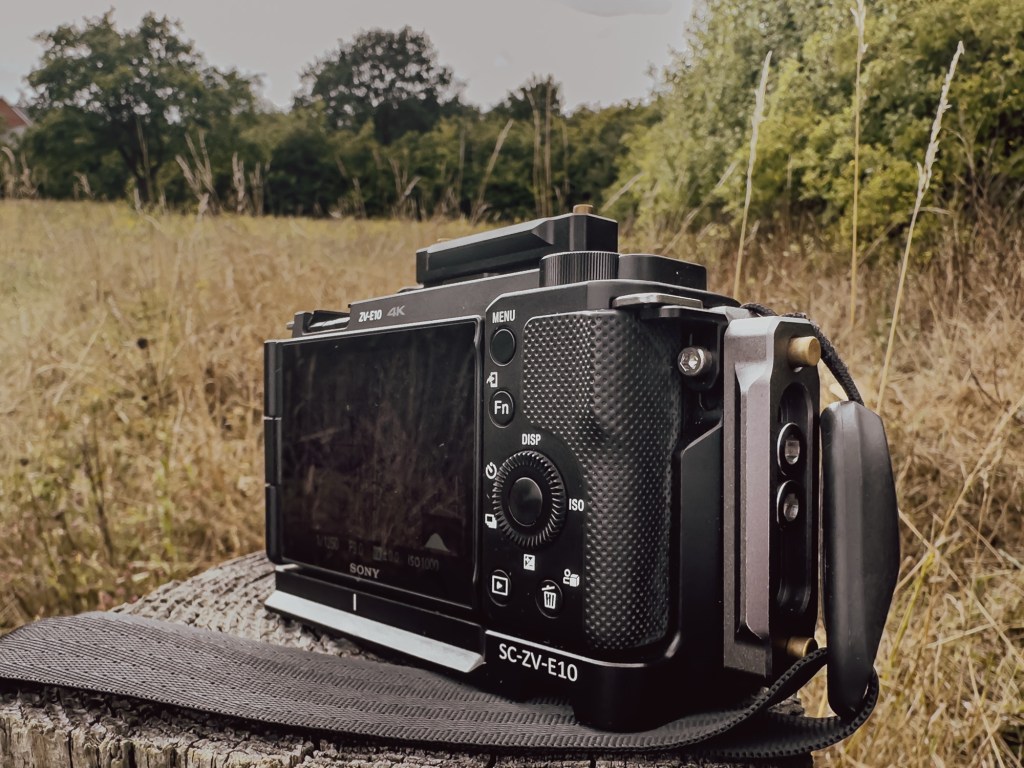
Sony ZV-E10 camera body

So with the kit set I headed out for a short stroll to the local nature reserve. It’s about a five minute walk from my house so perfect local location.

It’s not a big place in fact the part I headed to you can walk around it in about ten minutes there’s a bigger part you can walk that would take about an hour round trip but as I say I just wanted to head out for a short stroll.

With the mixed weather we’ve been getting the last few weeks the vegetation and plant life doesn’t know if it’s coming, going, been or gone.. so I thought this could be a wasted journey but I was pleasantly surprised.

I walked through the metal gate to be greeted by long grass and lots of colourful, dare I say flowers.. vegetation and a lot of buzzing sounds. Could I be lucky and capture some bees about their business.

Well I took the camera out and just as I did a buff-tailed bumblebee buzzed past me and landed about five feet from me on a beautiful magenta plant – could I get an image in the bag this quick.. so I set the camera to 50mm (75mm as crop sensor) f9 1000/s and because of the f9 had to use a 1000 iso .. and took a chance I got down low and took the shot..

Looking at the back of the camera I was surprised, I had captured a very clean and pretty decent looking shot. Here’s that picture !

The Buff-Tailed Bumblebee

Don’t think it was too bad for the first shot of the day.. and as he took off right after I clicked the shutter leaving me with only a single shot . Some might say a fleeting moment captured…

Now to get up and look for more. When you enter the “nature reserve” you have about ten feet of entrance and then you’re greeted by a hedge with two openings kind of an in and out so to speak.

The hedge blocks your view of the rest of the small reserve. Annoyingly, the last time I was there the grass had been cut and there wasn’t much in the way of a meadow, but as I rounded the dividing shrubbery I was greeted with a meadow of greens, yellows and magenta blooms, a number of butterflies and because of the medium sized pond that’s engulfed in reeds and long grass there were a few breeds of dragonfly fleeting about. There were also a lot of honey bees and even more buff-tailed bumblebees .

Tree Meadow
The Reed Pond

If I’m honest this type of photography doesn’t come easy for me. I don’t have the steadiest of hands at the best of times hence why my settings are high when it comes to shutter speed. That and with the speed some of these critters move I thought it would be best to shoot fast.

Let’s get back to walking around the nature reserve. So, where was I?

Having been happy to see that there was life and a flowering meadows I started walking and looking for more opportunities which thankfully didn’t take too long before something caught my eye. Something I haven’t seen much of on my travels the last few years.

Numbers of butterflies locally have been pretty low.

This butterfly was eye catching in fact it wasn’t alone, this picture will definitely tell a thousand words and don’t think I need to say more about what they were getting up to.

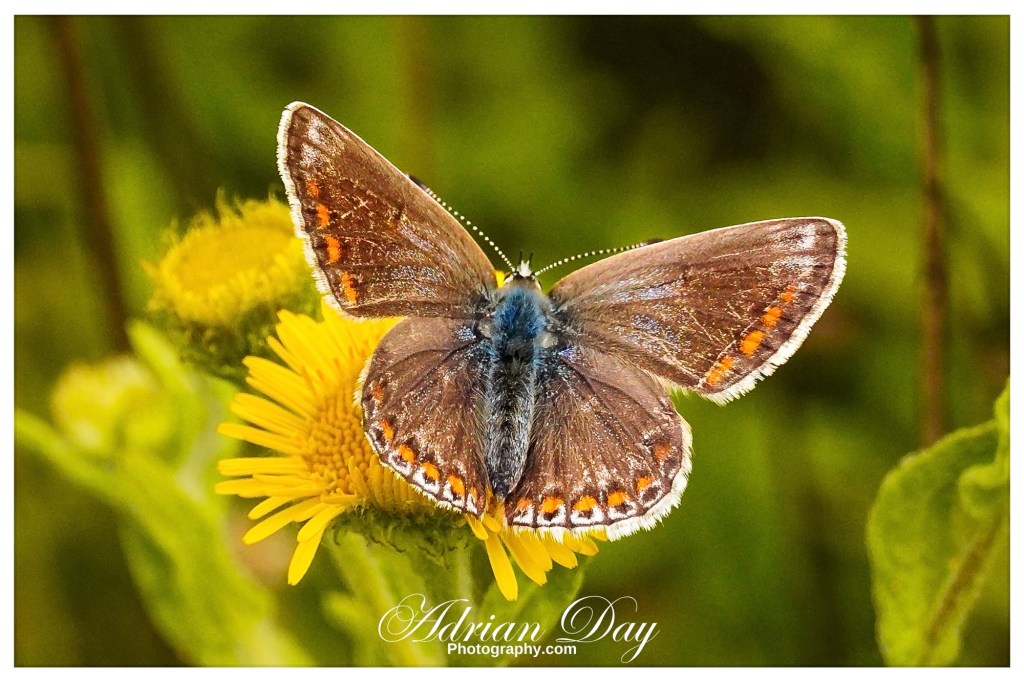
I’m sure that you will agree these common blues have a beautiful pattern really something eye catching.
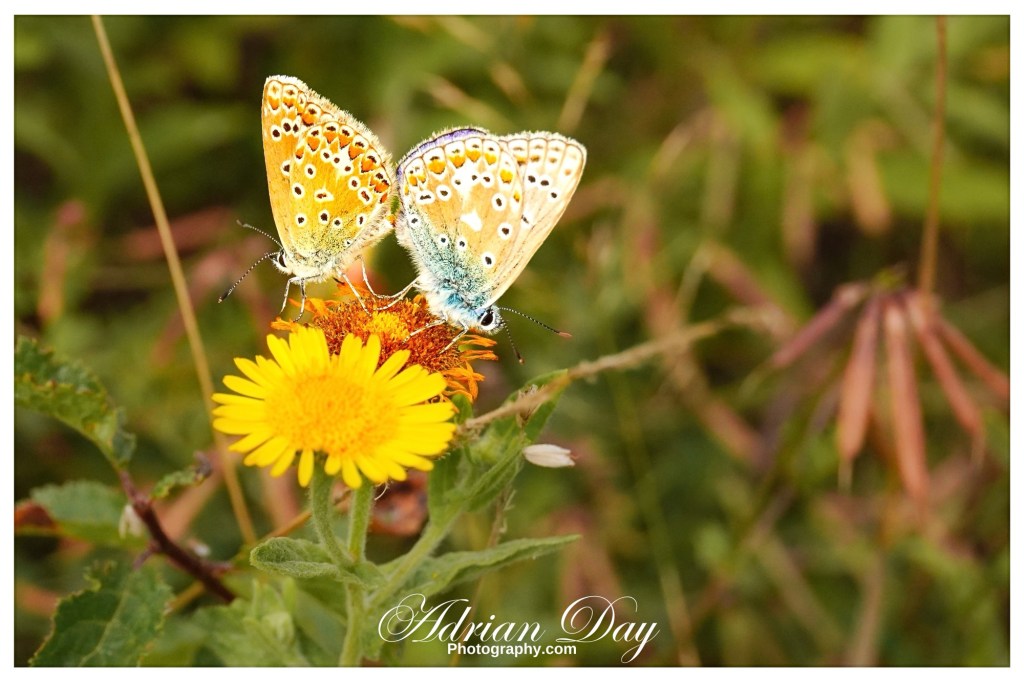
Common Blue
Common Blue

While I was praying to the camera gods ( down on my knees ) I noticed there was a honeybee just to the left of me. Only it was not staying in one place for long, so knew this could be like my first image a fleeting shot if I even manage to get it..

I had to change the settings because of the light kept changing. So these two although both different brightnesses were shot using 1/800s still at f9

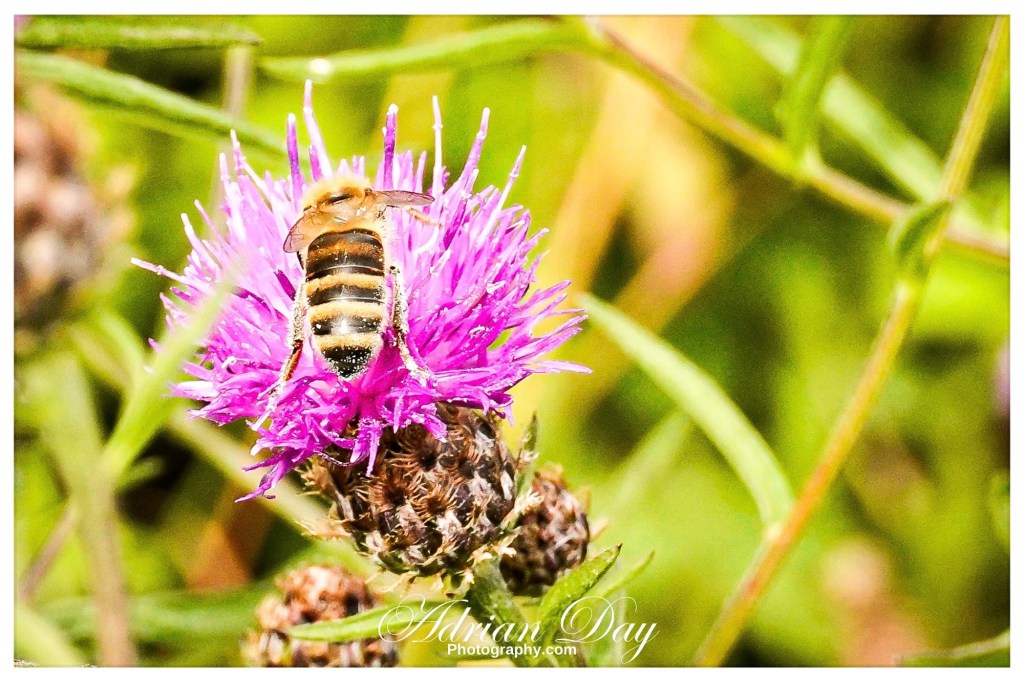
Western Honeybee
Western honeybee

There must be something about these magenta flowers if you know what these might be leave me a comment, I can’t seem to find what they are.

Next stop for me was waterside, I wanted to see if I could capture a picture of a dragonfly of some sort, and add to the days captures.

It took a little while of sitting by the water – probably about fifteen minutes or so when a small emerald damselfly (believe that’s what it’s called) started playing about over the water so maybe my luck was in.. but no such luck, it soon took off never to be seen again..

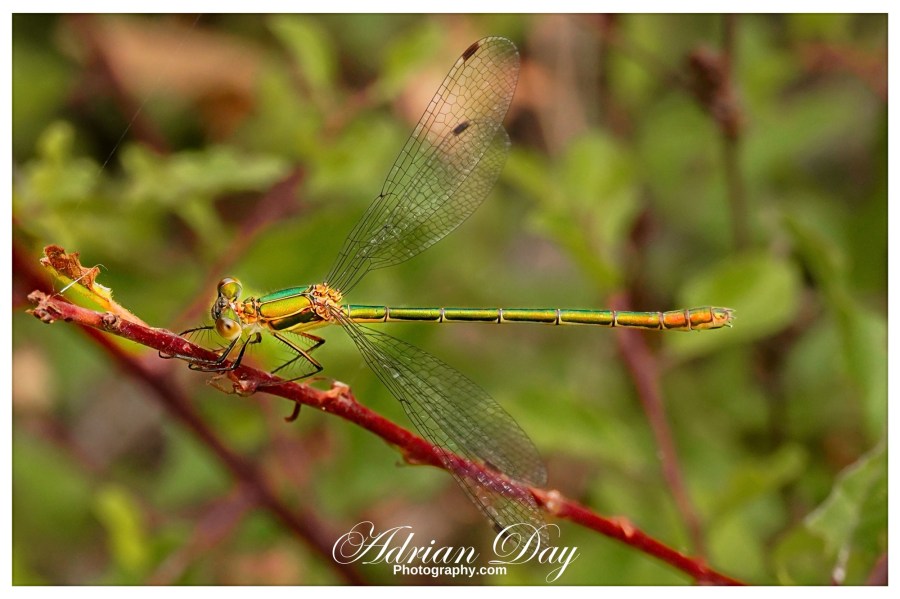
So there I sat for a while thinking this will be a bust not going to get one and then I see one ..literally two feet from me blending in behind a red twig .. a two inch long metallic emerald green dragonfly. It must have been there all along – now if I move am I going to make it fly away?

I twist moving the camera very slowly, I’m sure it sees me because it moves around the back of the twig (the little bugger is playing hide and seek) so the next shot, you will see what I mean – it’s like it’s watching me.
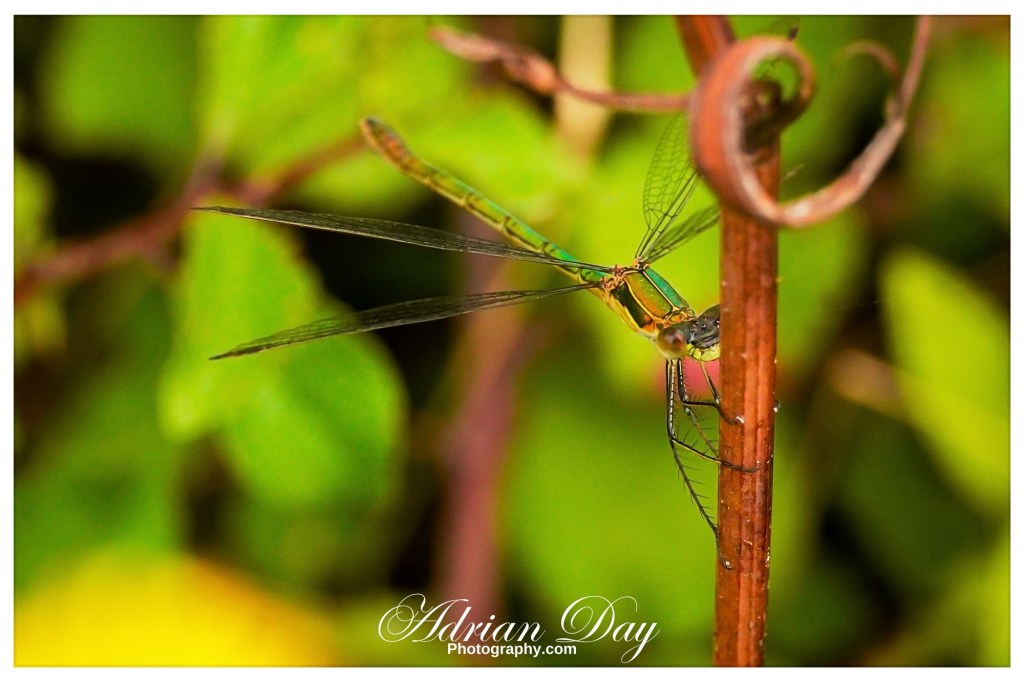
Emerald damselfly

Now to play games with it, I want to get a better shot of it.. really isn’t easy because of its location and flowers in the way.. time to move a little round the side and get a side view.. this shot is what I managed to take by holding the camera out to one side and keeping my butt fully planted so not to make the grass or twigs move..

Zoom in and let me know what you think!
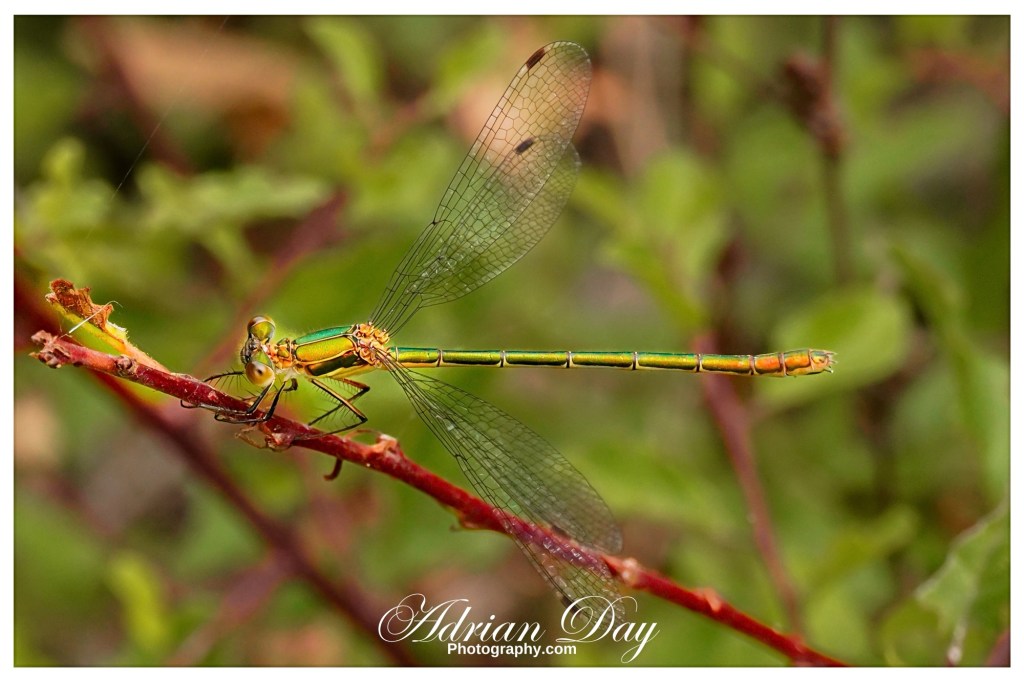
Emerald Damselfly

I’m pretty happy with it as it shows lots of detail and those colours are like multi coloured tinfoil. At least I managed to capture a picture of a dragon fly ..

I won’t hold you too much longer! On my walk away from taking the last few shots I managed to capture a few other beautiful butterfly images so will finish with a few of them.. there was so many on the other side of the tree (pictured previously )

What do you think of these.. these are a few I’m definitely proud of.. again beautiful detail and who knew that there would be so many types in one place.

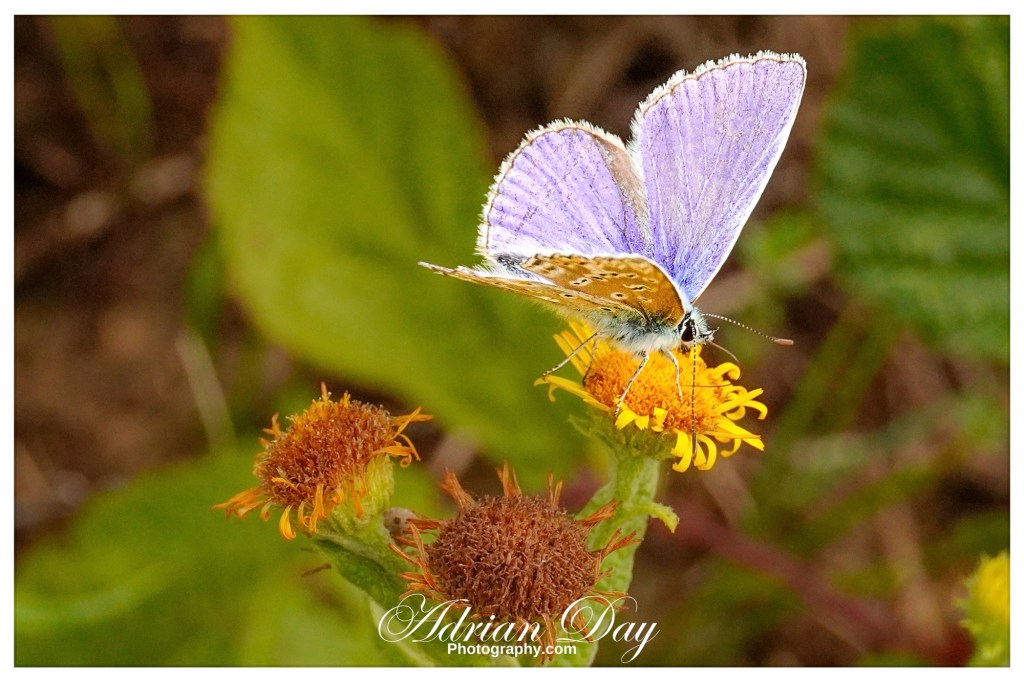
Common Blue
Common Blue
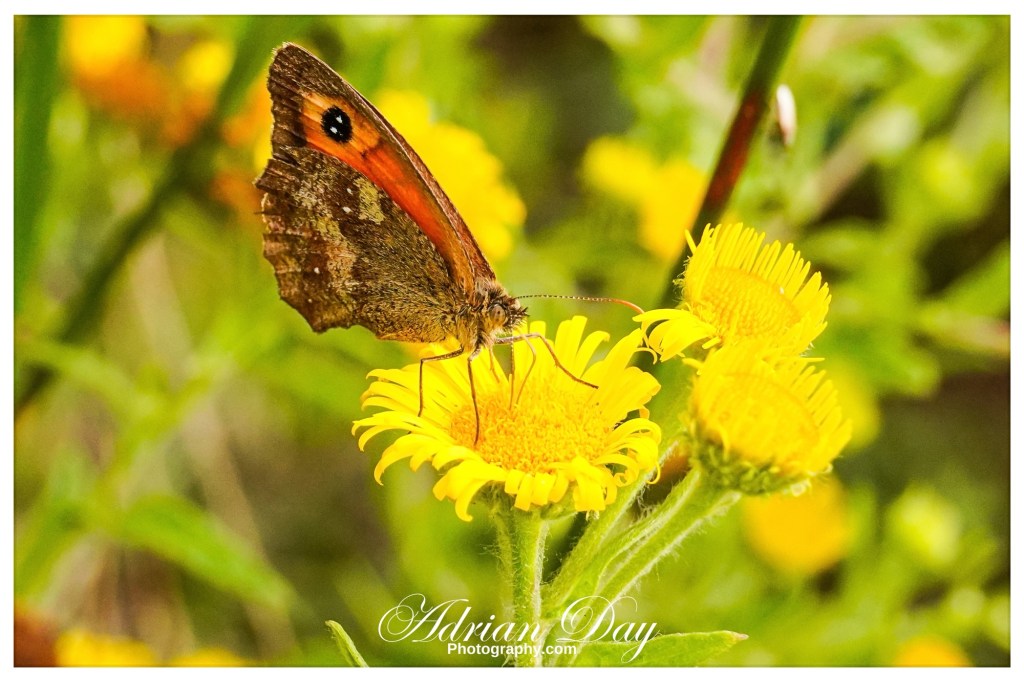
Hedge Brown
Common Blue
Housefly & ladybug
Housefly

And lastly

Hoverfly

My conclusion even though having a macro lens and a full frame camera and so on will always take things to the next level.

I feel sometimes you don’t always need these things to still get creative and get up close and personal with a subject..

Even with some of the cameras from two or three years ago you can still get some cracking shots, let me know what you think,do you agree?

Do you like what I captured?

I’m no macro photographer and I’ve only done this sort of thing a handful of times.. but I’m sure you will agree theres something about each of these images that makes them stand out !

Until next time! Thanks for reading, now stop wasting time and go take some pictures 😉 😉 😉
As photographers, Are we hung up on gear and the best of the best sharpness!

Having been a photographer for over 20+ years I’ve had the pleasure to use a mix of lenses, bodies, brands.

I’ve seen people pixel peeping and making sure that their images are so sharp, that you could almost cut yourself!

Brands are bringing out bigger, brighter, and better bodies almost monthly in a bid to be ‘brand of the year’ and with those brands comes megapixel perfection! 24mp, 40mp and some even 100mp plus.

Lenses have become increasingly clearer, with better and better glass including Zeiss, Sony G master, Sigma Art, Canon Rf, there are so many it’s hard to name them all and to keep up!

With that, comes the cost! The price of quality comes at a premium. And sometimes that’s where those starting out differ from those who are well established and possibly have a bank balance to burn.

Media shows us that the best images/video make the cut! To stand out you need to have 4/8k video or 100mp images with perfect colours, the right depth of field and beautiful bokeh!

But do we need this ! The tools help us create higher quality content but depending on what you’re doing with the output image it’s not the best all and end all!

I’m not done here but, Whats your opinion? Leave a comment

The last few weeks I’ve been sharing images to a number of media outlets! Including and not limited to printed products, social platforms, websites and even local news papers.

All of which have been images taken using all different brands/quality of body and or lens variations. I’ve had amazing feedback on the images with people sharing them, comments left, right and centre, and over the last 4 months seen images picked for publication without any question of … what camera brand, lens, pixel amount those images were taken with.

This has lead me to question whether we need the best of the best and do we need to buy the latest version of our chosen brands, because something new has been added to the latest version.

So last week I set myself a challenge! Get published with low quality gear!

Now I shoot with two brands Sony and Nikon, I have two cameras of each brand! Not going to be specific with models. Or details. But I set myself some basic rules that the lens choice had to stick to;

  • Priced under £100.
  • Had to be second hand.
  • Needed to be multi use. (Landscape / macro / zoom etc)
  • Had to fit kit I owned.
  • Didn’t need to be brand specific. (Like Nikon for Nikon or Sony for Sony)

So I popped to the local camera shops with the mind set of getting a telephoto lens, that possibly has macro brand of Sigma or Tamron.

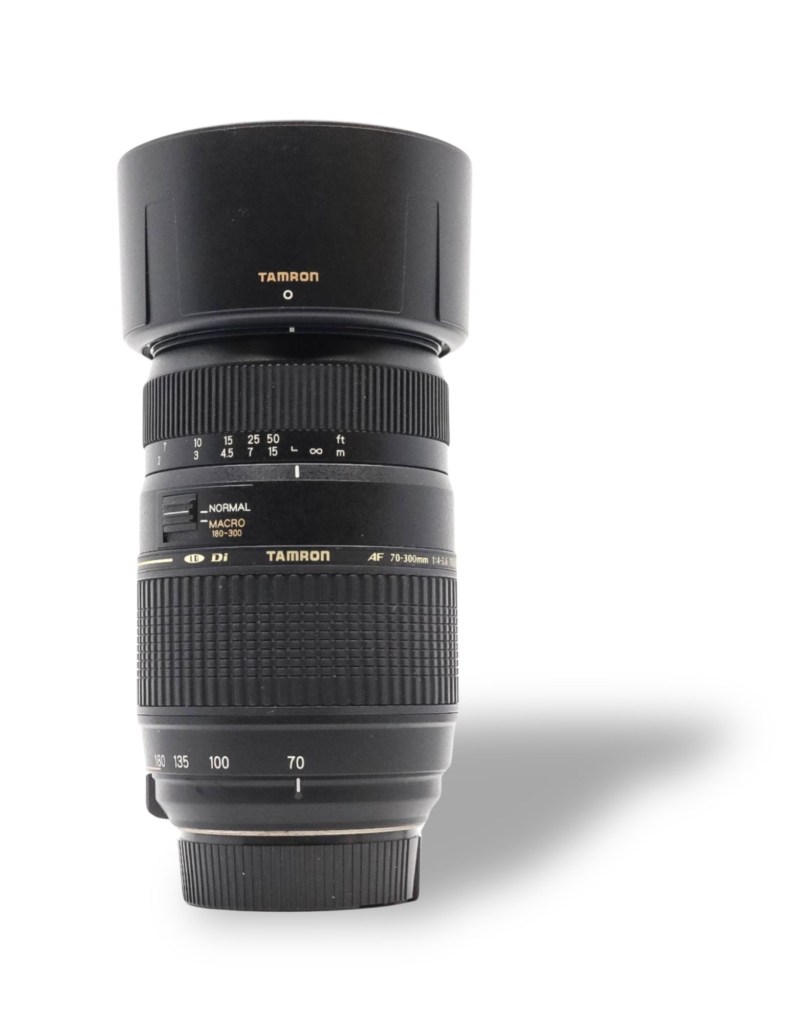
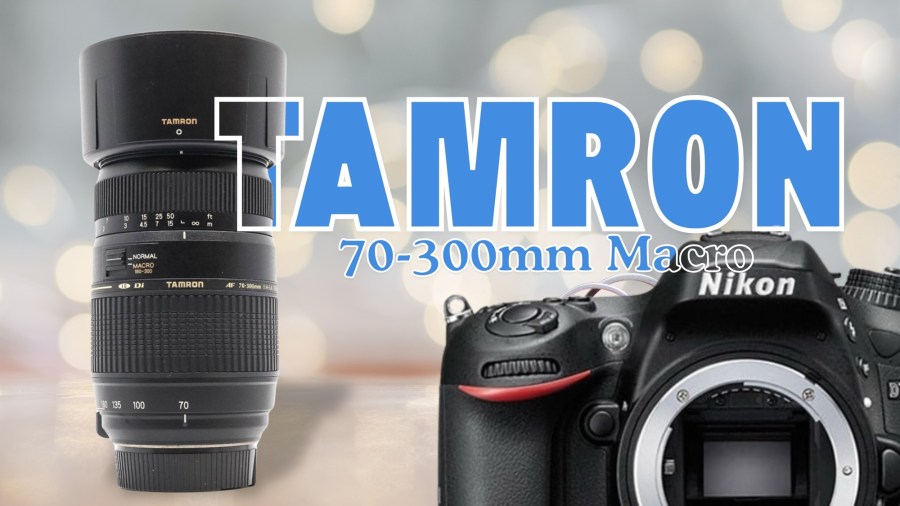
It didn’t take long to find the candidate! the Tamron 70-300 macro lens,

For starters, it seems like it has a lot going for it. It’s both telephoto and macro and looking in the window of the local Camera World. It’s under £100 by £5 and walking past Cex I see it for even less £85 well it’s looking more and more appealing. But times run away and blooming shop was shut! So guess it’s not meant to be!

But now I have an idea of what I’m looking for– Time to head home!

With the shops shut what will any tech guy do ! Yes head to the big World Wide Web! And the trusty MPB. For those that don’t know about MPB. They are a fantastic online company buying and selling all things photography. I’ve used them many times for lenses and bodies, so it will always be my next stop if local shops don’t have what I’m wanting.

If you want to save money, stick around for a link to saving £20 on any new purchase. At MPB.com

Back to searching! So a few clicks later and it’s on screen, there was three available for sale second hand and it didn’t come as a shock but the price was OVER half the cost of camera world and CEX

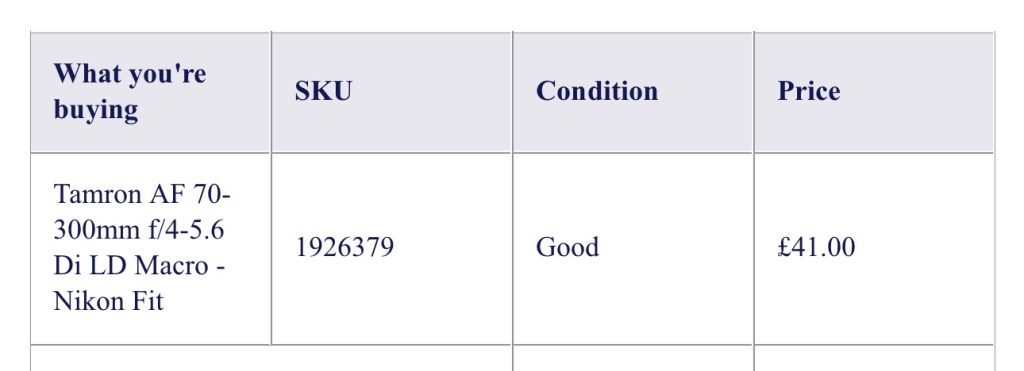
I didn’t waste time! Clicked the buy button and sorted out the details and just two days later there it was on the door step! Now ! You can see that this one is classed as GOOD condition.. and for the sum of £41 can’t really ask for much more ! Personally I think the rating was a little low! Opening the box of this very well wrapped up product soon showed me it was great condition! And like always ! I couldn’t wait to try it ! So with my trusted model I snapped the first shots …

Model Marlie ! Low window light ..

Setting F7.1 – 1/1600s – iso 400 @ 202mm

Okay first off this lens isn’t fantastic ! But again what more could you ask for from a lens that’s not brand new, that’s been out years, possibly been used a lot. Though the look of the lens seems like it’s been in a bag and not used for a while.. but on testing showed its self to be pretty sharp, focused after a couple of clicks and focus motor wasn’t too loud either !

TOUCH WOOD ! ALL GOOD! So far

Now to get some pictures and see if I can get published 🙂

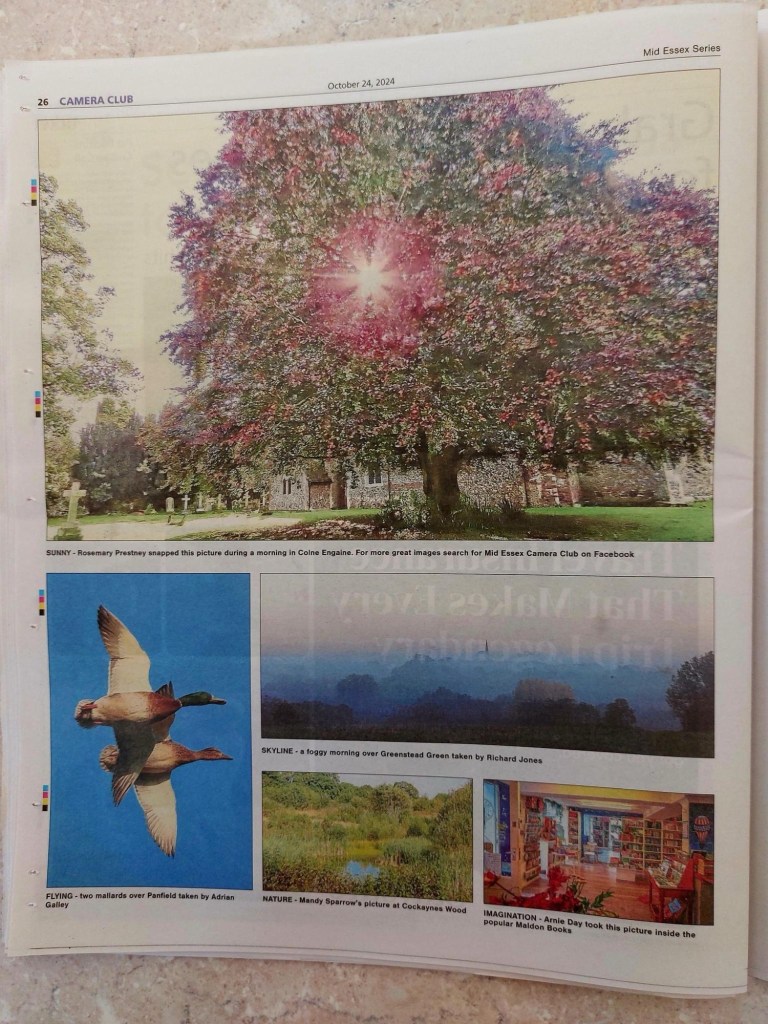
The next day came and I thought I would head to town to get some local shop / location pictures

These are the pictures I captured.

Again these images are not perfect, but pretty clear and the best I could get at 70mm. Now to post them to the pages that could potentially take my images and make publications out of 1 or more!

A week later looks what happened! Here is one of the images in the local news paper.

It’s not perfect but it’s still a publication.. and I still haven’t really used the lens to its full potential. Yet..

This shows that any quality of lens and camera body has the potential. You don’t need the all singing all dancing gear ..

Don’t get me wrong having the best gear will make things a little easier or even have a better quality overall but this shows it’s not all about spending £1000’s on gear … you can do it on a budget if need be …

Maybe it’s all in the eye of the photographer and his editing skills 😉

Watch this space for more on this lens and using low quality lenses to get published and paid work !

Get £20 off for your first purchase at MPB. By clicking the link below! This is a promotion and I believe a limited time offer! If asked use code Adrian Day at checkout.

https://mention-me.com/m/ol/or9bk-adrian-day

Lightroom Hack that I bet you didn’t know! Free presets.

Hey guys and girls another short and simple post just to let my followers know that there is a new video live on my YouTube channel .. just lick on the link /image below to go see it ..

Trust me if you’re a new photographer you’re not going to want to miss this trick!

Lightroom Hack
Click to view video !

Watch out for more videos coming this week !

Tiktok budget lavalier mic, worth it or not.

New video now live on my YouTube channel! I Would love your support if you have a moment even if you don’t manage to watch all the video, give it a reaction maybe even subscribe.

TAP THE IMAGE TO VIEW MY VIDEO ON YOUTUBE!

Have a great week and hope to catch you next week with another post and video !

Maldon classic car show youtube video now live!

New video now up streaming with the pictures from the maldon classic car show.

This is a short snippet of what I got on the day. But the images in this video I whole heartedly love! So

If you have a moment or 26seconds would love to have your support. Just click the thumbnail below to head over and watch it.. if you can watch the whole 26 seconds and then if you like it hit the like button.. as this really does help my very small channel.

Maldon classic car show YouTube link..

Understanding ISO in photography – one part of the exposure triangle.

Photography is an art form that has evolved over time with the advancement of technology. One of the essential aspects of photography is ISO, which determines the sensitivity of the camera’s sensor to light. ISO stands for International Organization for Standardization, which sets the standard for sensitivity ratings in photography.

In this short post we will discuss what ISO is and how it works and categorize it into three categories: basic, in-depth, and advanced understanding.

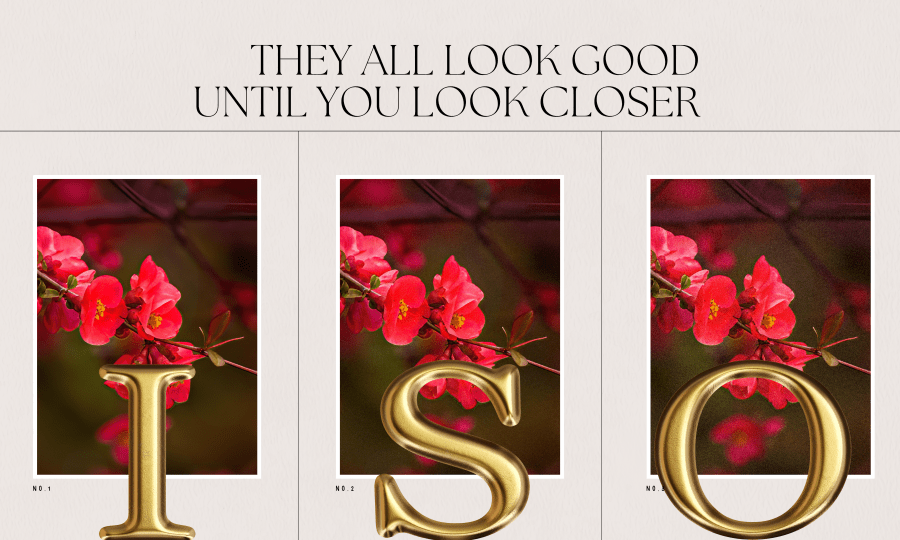
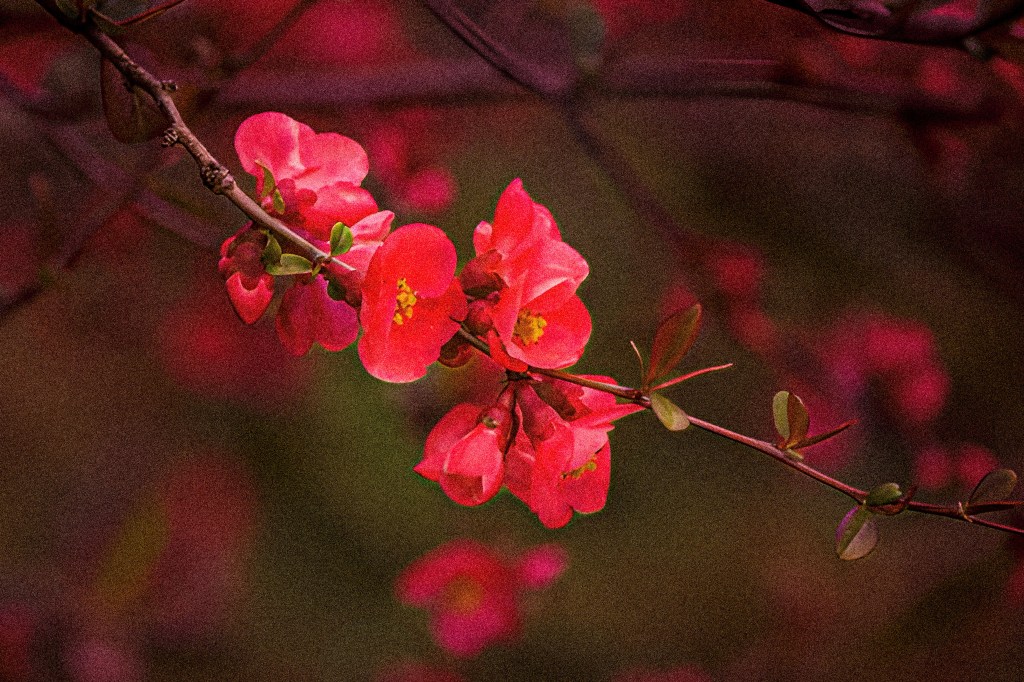
Firstly three images .. starting from 100 in picture one 3200 in picture 2 and 6400 in picture three. to see the way images have less detail and also more noise the higher the ISO

Image 1 shot at ISO 100 – Nikon 7200
Image 2 shot at ISO 3200 – Nikon 7200
Image 3 shot at ISO 6400 Nikon 7200

Basic understanding of ISO:

ISO is a measure of the camera’s sensitivity to light. The lower the ISO number, the less sensitive the camera is to light, and the higher the number, the more sensitive it is. In simple terms, ISO determines how bright or dark an image will appear. For instance, a low ISO number of 100 will produce a darker image, while a higher ISO number of 800 will produce a brighter image.

In-depth understanding of ISO:

ISO is one of the three essential elements of exposure, along with aperture and shutter speed. Aperture refers to the size of the opening in the lens that allows light to enter, while shutter speed is the duration of time the shutter remains open. ISO plays a vital role in exposure because it allows the photographer to adjust the camera’s sensitivity to light to achieve the desired exposure.

A low ISO setting is ideal for shooting in bright conditions, such as outdoors on a sunny day. On the other hand, a high ISO setting is suitable for shooting in low light conditions, such as indoors or at night. However, a high ISO setting can introduce digital noise or graininess to an image, which can result in a loss of detail and clarity. It’s essential to strike a balance between the ISO setting, aperture, and shutter speed to achieve the best exposure and image quality.

Advanced understanding of ISO:

In addition to its role in exposure, ISO can also affect the overall mood and style of an image. A low ISO setting can produce a sharper and cleaner image with less noise, while a high ISO setting can create a grainy or gritty look, which can be desirable in certain types of photography, such as street or documentary photography.

Another advanced technique is ISO bracketing, which involves taking multiple shots of the same scene with different ISO settings. This technique is useful for capturing images in unpredictable lighting conditions, such as during a sunset or sunrise, where the light changes quickly. By taking multiple shots at different ISO settings, the photographer can choose the best exposure and eliminate any unwanted noise or graininess.

In conclusion, ISO is an essential aspect of photography that determines the camera’s sensitivity to light. It plays a vital role in exposure, image quality, and overall style and mood of an image. Understanding the basic, in-depth, and advanced aspects of ISO can help photographers make informed decisions when setting up their camera and capturing their vision.

This is part of basic learning with photography. There are more technical details to iso but I don’t want these posts to resemble a ikea instruction manual lol! And more make it a simple understandable read.

Low light photography! A few simple things to know and understand when working in low light conditions.

Low light photography can be a challenging but rewarding experience. It requires a combination of technical knowledge and creative thinking to capture beautiful and unique images in dimly lit environments. In this essay, we will explore some tips and techniques for getting the best results from your camera in low light situations, and how to avoid common pitfalls that lead to blurry

images.

The first step in low light photography is to understand the limitations of your camera. Most cameras perform best in bright light, and as the light level decreases, the camera’s ability to capture sharp and detailed images also decreases. This is because the camera’s sensor needs a certain amount of light to function properly, and in low light situations, the sensor may not be able to gather enough light to produce a clear image.

To compensate for this, you will need to use a longer shutter speed, which allows more light to reach the sensor. However, using a longer shutter speed also increases the risk of camera shake, which can result in blurry images. To avoid this, you will need to use a tripod or some other form of support to keep your camera steady. Additionally, you can use the self-timer function on your camera to avoid camera shake caused by pressing the shutter button.

Another way to increase the amount of light reaching the sensor is to use a wider aperture. Aperture is the opening in the lens that controls how much light reaches the sensor. By using a wider aperture, more light can enter the camera and reach the sensor. However, this also affects the depth of field, which is the area of the image that is in focus. A wider aperture will result in a shallower depth of field, which can be useful for creating a sense of depth and separation in your images.

Another important aspect of low light photography is ISO. ISO is a measure of the camera’s sensitivity to light. The lower the ISO, the less sensitive the camera is to light and the less noise in the image. However, in low light situations, you may need to use a higher ISO to get a well-exposed image. But, as you increase the ISO, you will also increase the amount of noise in the image, which can be unsightly. So, it’s a balance between having a well-exposed image and having noise in the image.

In addition to adjusting these technical settings, you can also use creative techniques to enhance your low light images. For example, you can use a flashlight or other light source to illuminate specific areas of the image. You can also use long exposures to capture the movement of light in the scene. This can create interesting and dynamic images that are not possible in bright light.

In conclusion, low light photography can be a challenging but rewarding experience. It requires a combination of technical knowledge and creative thinking to capture beautiful and unique images in dimly lit environments. By understanding the limitations of your camera, using a tripod or other form of support, adjusting the aperture, ISO and shutter speed, and using creative techniques, you can get the best results from your camera in low light situations and avoid the common pitfalls that lead to blurry images.

Working on a project – new magazine – photo glam magazine

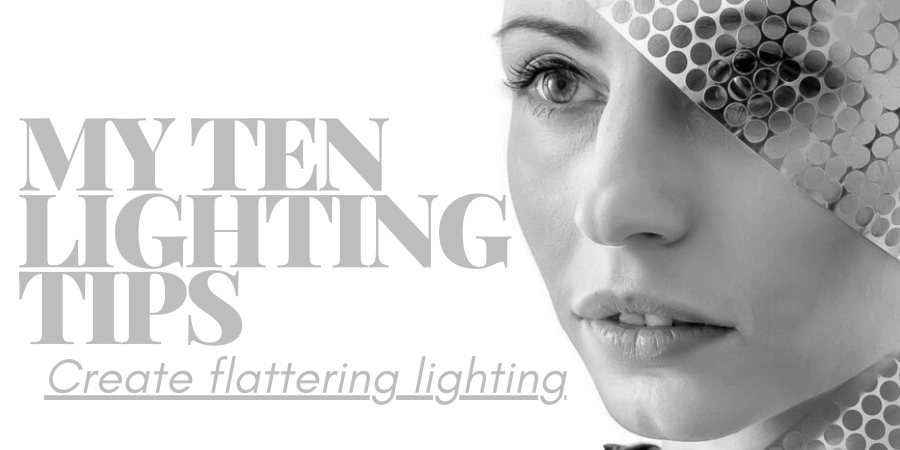
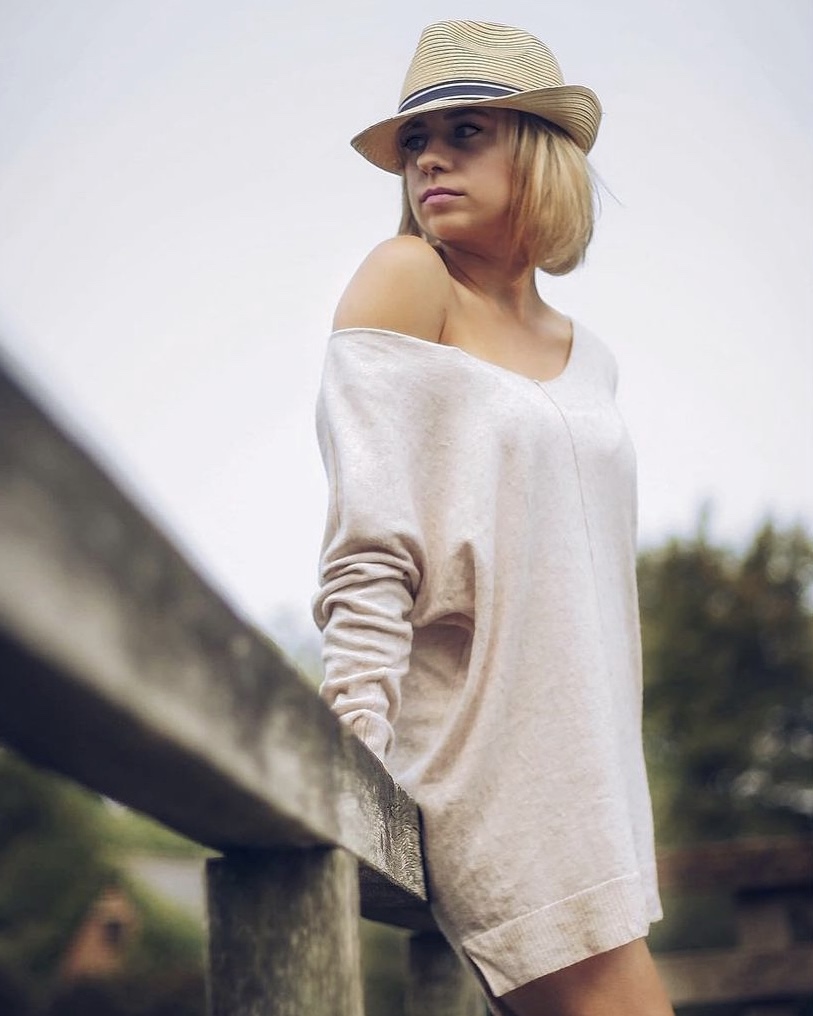
My ten tips to create beautiful lighting that flatters for that perfect selfie or as a professional photographer.

This is My Ten simple tips to create beautiful lighting that flatters for professional photos or perfect selfies

1: Use natural light whenever possible.
Natural light is often the most flattering and easiest to work with. Putting your subject in the right place at the right time of day with natural light can be the softest lighting to work with, and most effective.

All natural overcast day light

2: Experiment with different times of day.
The quality of light can change significantly depending on the time of day, so try shooting at different times to see what works best for you or your subject.

3: Use reflectors or a white card to bounce light back onto the subject.
This can help fill in shadows and add dimension to the subject. Bring out a glow to the eyes and under the chin to make an image more appealing to the eye.

4: Experiment with different light sources.
In addition to natural light, you can also use artificial light sources such as studio strobes or continuous lights. Even a simple ring light can be a creative tool or a small video light will add a pop to your pictures.

5: Pay attention to the direction of the light.
Light that is coming from the side or from behind the subject can create a more dramatic effect, sometimes a bright light from behind will result in a more silhouetted looking image.

Natural light with a reflector to reduce shadows and add a catch light to the eyes

6: Use diffusers to soften the light.
This can help reduce harsh shadows and make the light more flattering to the subject. A simple white sheet over a window will give a soft touch to any image.

7: Avoid shooting directly into the sun.
This can create harsh shadows and cause lens flare and in turn make the images soft with less contrast. Though this rule isn’t always bad. It can also be creative if used in the correct environment .

Bright side light from back lighting in mid day sun

8: Use negative fill to create shadows. By placing a dark object near the subject, you can create shadows and add depth to the image.
If you have a very light room from natural light through a window or a white bedroom this idea will be great, even a dark sheet/ blind or black card will reduce some light giving more depth to a subject.

9: Experiment with different apertures. Aperture controls the amount of light that enters the camera, as well as the depth of field.
This can be found on all manual settings in camera or on smartphones. This is perfect to add a little creative look when using a low F number ..

10: Keep an eye on the colour temperature of the light. Different light sources can cast different color temperatures, which can affect the overall mood of the image. Use a colour checker or white balance tools to help ensure accurate colour. For instance house lighting and sunlight can produce a warm tone to an image.. where a window lit by indirect light or even a snow scene will have a cooler more white look..

Please remember that these are my personal tips, we all have our own ideas. There’s nothing wrong with using a bunch of the above methods and then in your preferred editing software creating something much more refined or dramatic.

Let me know what you try and how it works out for you.

Follow me on here or on Instagram http://www.instagram.com/adriandayphotography to see more !

The 85mm lens every photographer should own one!

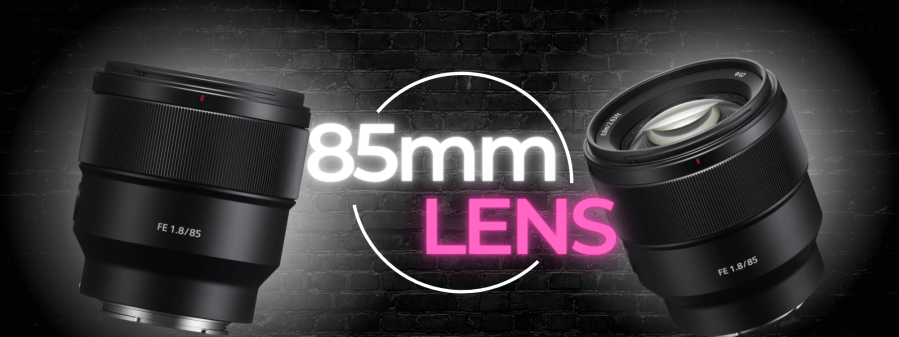
This is the Sony 85mm f1.8 FE lens..

This is my Five reasons I love my 85mm lens it’s one of my bread and butter lenses.

1: It’s great for Portrait photography:

The 85mm focal length is ideal for portrait photography because it allows you to capture flattering, up-close shots of your subject without distorting their features. This is especially useful for capturing headshots and full-body portraits.

Portrait with the 85mm Sony lens


2: Bokeh:

The 85mm lens is known for its ability to produce beautiful, creamy bokeh in the background of your photos. This is especially useful for isolating your subject and drawing attention to them.

Bokeh balls

3: Low light performance:

Many 85mm lenses have a wide maximum aperture, which allows them to perform well in low light situations. This makes them a great choice for indoor photography or for shooting at dusk or dawn.

Wide open aperture and small fits in your hand form factor.

4: Compact size:

85mm lenses are generally smaller and more lightweight than other lenses, making them a convenient choice for photographers on the go.

5: Versatility:

While the 85mm lens is often used for portraits, it can also be used for a variety of other subjects, including landscape, street, and event photography. It’s a versatile lens that can be used in many different situations. The 85mm is always with me!

In closing:

So, in all honesty this lens is one lens I would recommend any photographer purchasing.

These days the 85mm 1.8 isn’t that expensive and if you’re a multi shooting photographer who likes shooting landscapes events or models, this lens would pay for its self ! Low cost, high quality prime lens that will get plenty of use!

To finish … if you’re a photographer or someone just starting out. And own an 85mm lens let me know in the comments if you agree that it’s worthwhile buying one..

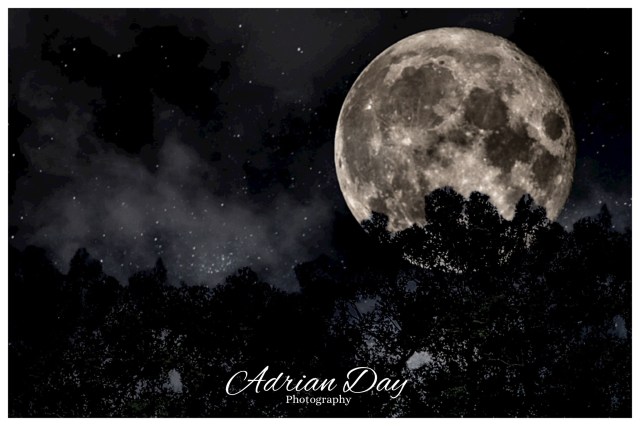
SUPER MOON IMAGE FOR SALE

Anyone who loves seeing moon images or loves anything astro this could be the image for you..
this week we had our last super moon of 2022 and what a beautiful sight it was,
I’m based out of the Essex coast line and the moon was making its self very noticeable in the night sky so I took a little walk into the fields to capture this one.

and was it worth it … I have to say yes. this beautiful image to me is captivating .. and something im sure will stand out on anyone’s wall in an office or lounge.. maybe even a bedroom.

image below is a low res image to restrict people taking our images

The super moon 2022

£15.00

Description

this stunning print of the super moon will be a great addition to any ones walls.

with its stunning details and beautiful captivating mono tones buying this and faming it with a matt finish frame would honestly set the tone in any room

this image comes in a print size of 15×10 and is just the print not framed if you require a framed print those will be coming soon please contact us quoting super moon framing.

ARE BLOG POSTS STILL WORTH DOING IF YOUR’E A PHOTOGRAPHER IN 2022?

Okay help me out here? I’ve been a photographer for many years in fact this year – I’m hitting 25 years, So most would say that I’m pretty old school.

Now, I do a number of styles of photography; landscapes, Fine art, Seascapes in the formats that I sell. Then there are the formats like Weddings, portraits, boudoir, lifestyle and locations shoots that I’m paid to do.

Over the years along with the photography I’ve tried to do it where I post on my blog and also show a little of who I am and what I do, maybe even what I could be doing for you, the client.

This has been great, But over the last few months I have seen a vast decline in interactions on blog posts and also website views have decreased. this could be that life is starting to get back to normality what with covid restrictions being lifted or less and less people are interested in reading blogs

Looking at research from the leading social media’s such as facebook, tiktok and instagram its looking like more and more people are switching over to short form video content because life is super busy and we can flick through 50 videos faster than reading a few lines of written content.

QUESTION ? HAVE YOU READ THIS FAR..

If you have answered yes well I would like to say a

big thank you ..

See I’ve never been one to get in front of a camera .. hey I’m the photographer not a good looking subject, person or object.

This post is really a question to those who actually read and maybe come across some of my images.

Do you enjoy blogs? would you want to see more interactive posts on Adrian Day Photography?

leave me a comment below i would love to interact with real people and followers

Also if you have a moment could you answer a poll for me …

okay guys thank you for reading this post and I hope to hear from you on this subject .. keep eyes out for more posts coming soon as we have some new products coming up for sale .